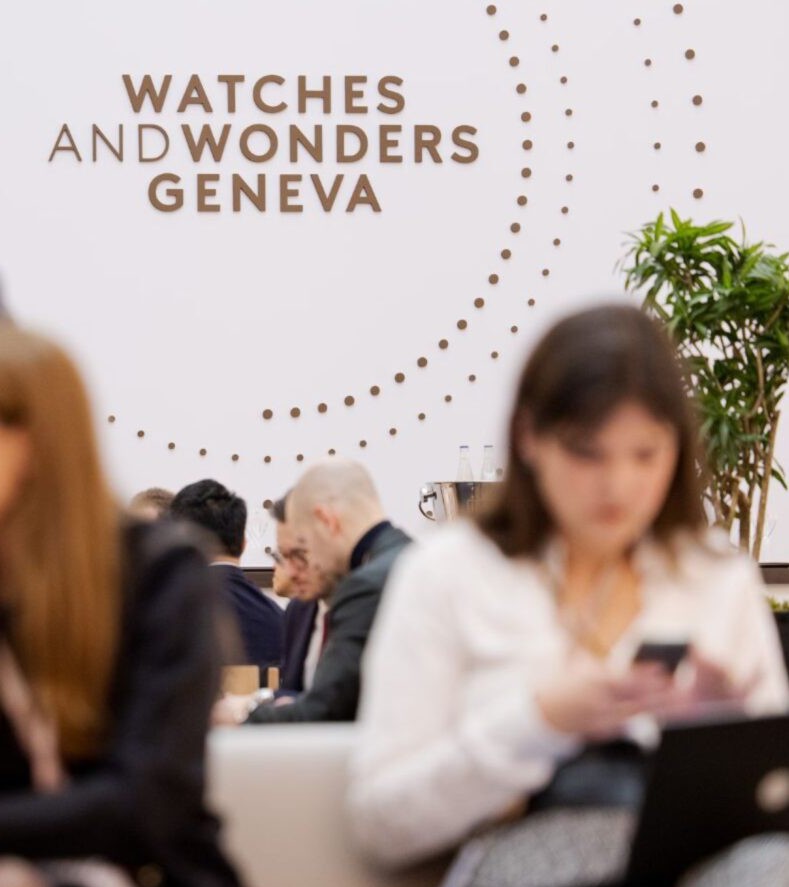
At Geneva’s most influential horological showcase, restraint emerged as the new luxury. From ultra-thin engineering to jewellery-led storytelling and a renewed reverence for heritage, Watches and Wonders Geneva 2026 signalled a decisive shift—one where refinement, proportion, and narrative take precedence over spectacle. Held from April 14–20, 2026, the world’s largest watchmaking showcase brought together 65 exhibiting maisons and nearly 60,000 visitors, including retailers, collectors, and over 1,700 journalists.
 A Fair That Has Outgrown Excess
Staged at Geneva’s Palexpo and extending across the city through public programming, the 2026 edition reinforced its status as the industry’s central forum. The first four days remained trade-focused, before opening to the public over the final weekend—an increasingly important shift that reflects watchmaking’s growing cultural footprint.
But beyond the numbers, what stood out was a recalibration. The industry no longer appears compelled to impress through scale alone. Instead, the emphasis has shifted towards watches that integrate into contemporary lifestyles, rather than exist as isolated feats of engineering.
Key Industry Trends — With Broader Brand Signals
1. The Shift to Smaller, More Elegant Proportions
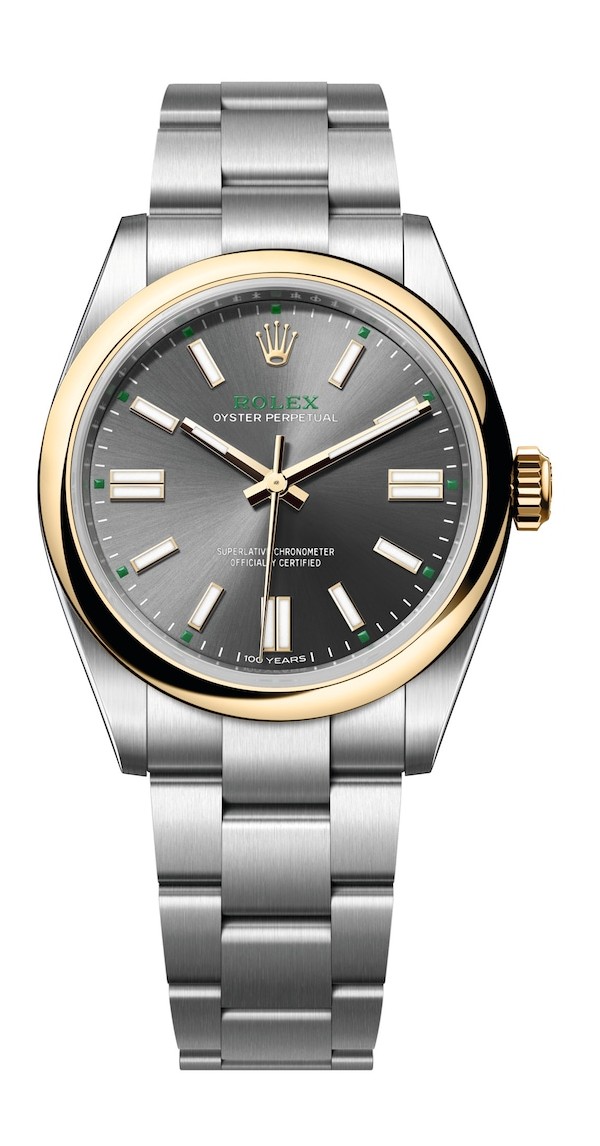
ROLEX Oyster Perpetual 41
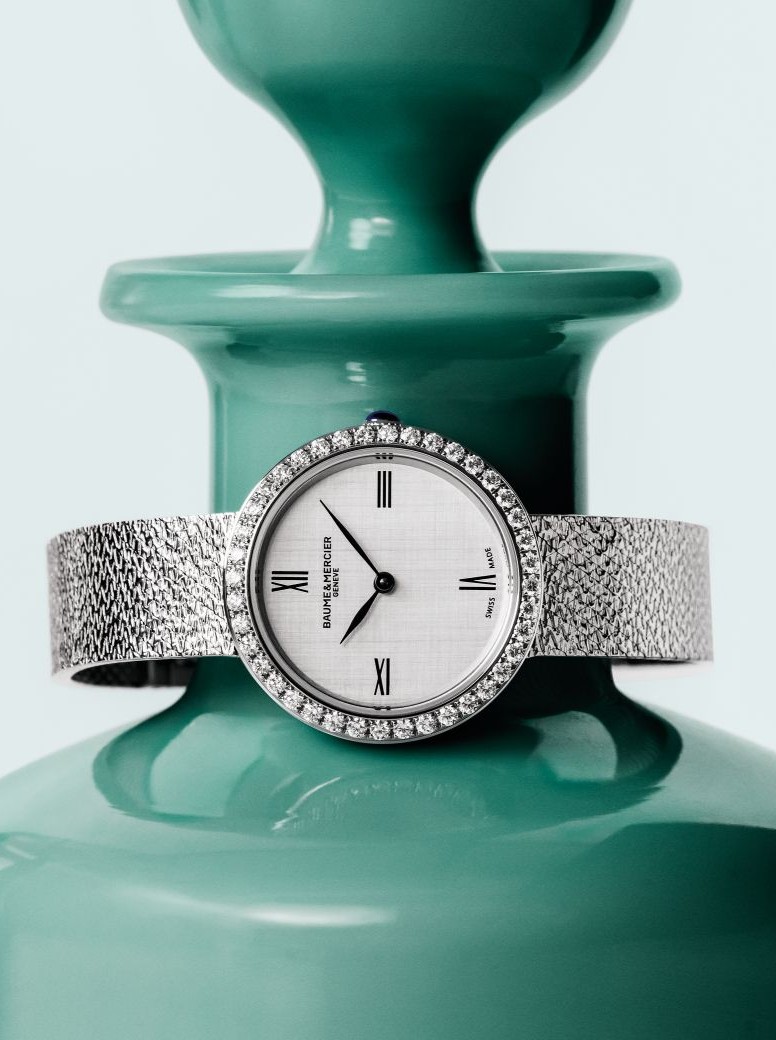
Joia de Baume & Mercier 10850
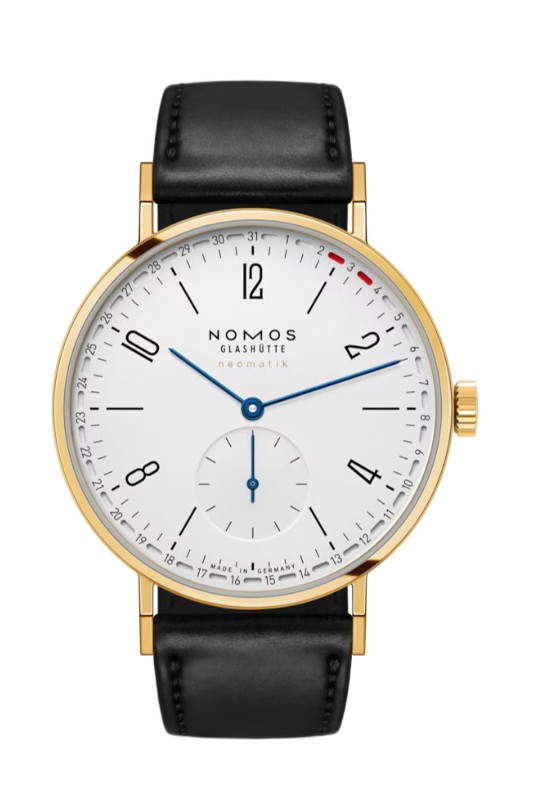
NOMOS Glashütte Tangente gold neomatik 38 Update
The sub-40mm watch is no longer niche—it is now central.
- Bulgari introduced the Octo Finissimo 37 signals recalibration, refining its ultra-thin icon into a more wearable format.
- Baume & Mercier leaned into compact elegance with its Joia 24mm pieces.
- Rolex continued to reinforce classic Oyster proportions, resisting the oversized trend entirely.
- Nomos Glashütte and Oris reinforce this through restrained, wearable case sizes.
Observation: Smaller watches are no longer a niche—they are the new default.
2. Jewellery and Horology Converge
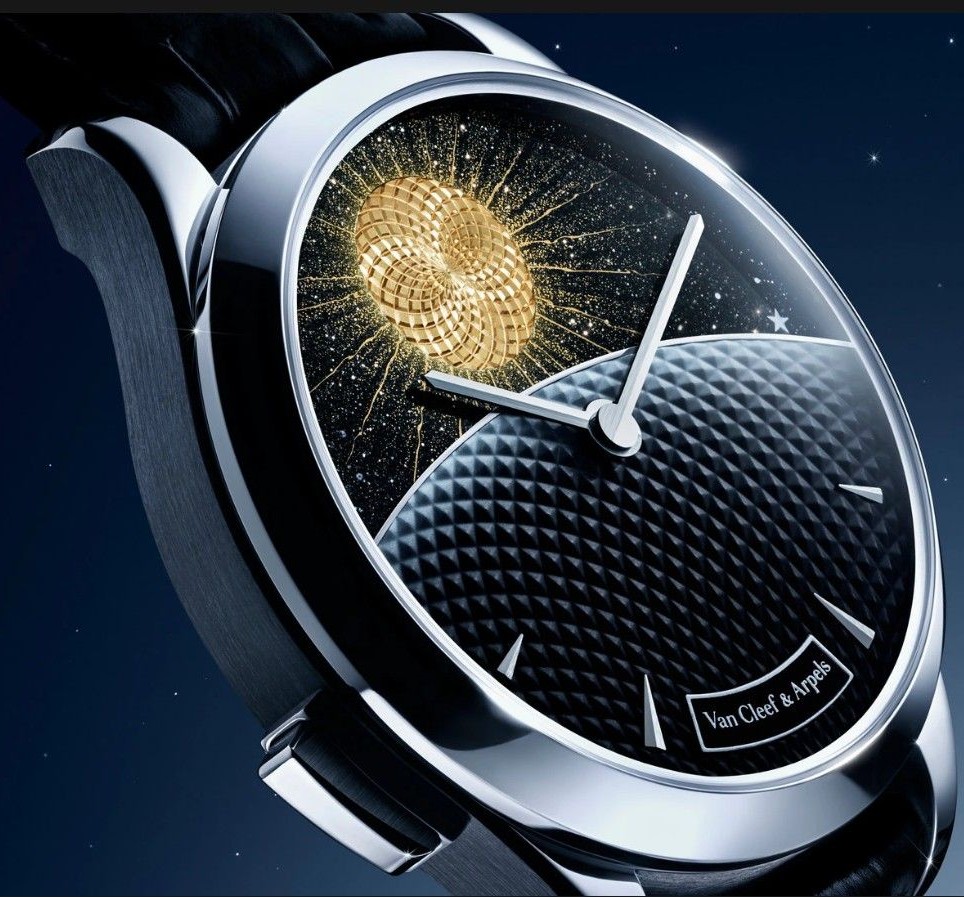
Van Cleef & Arpels celetial motifs
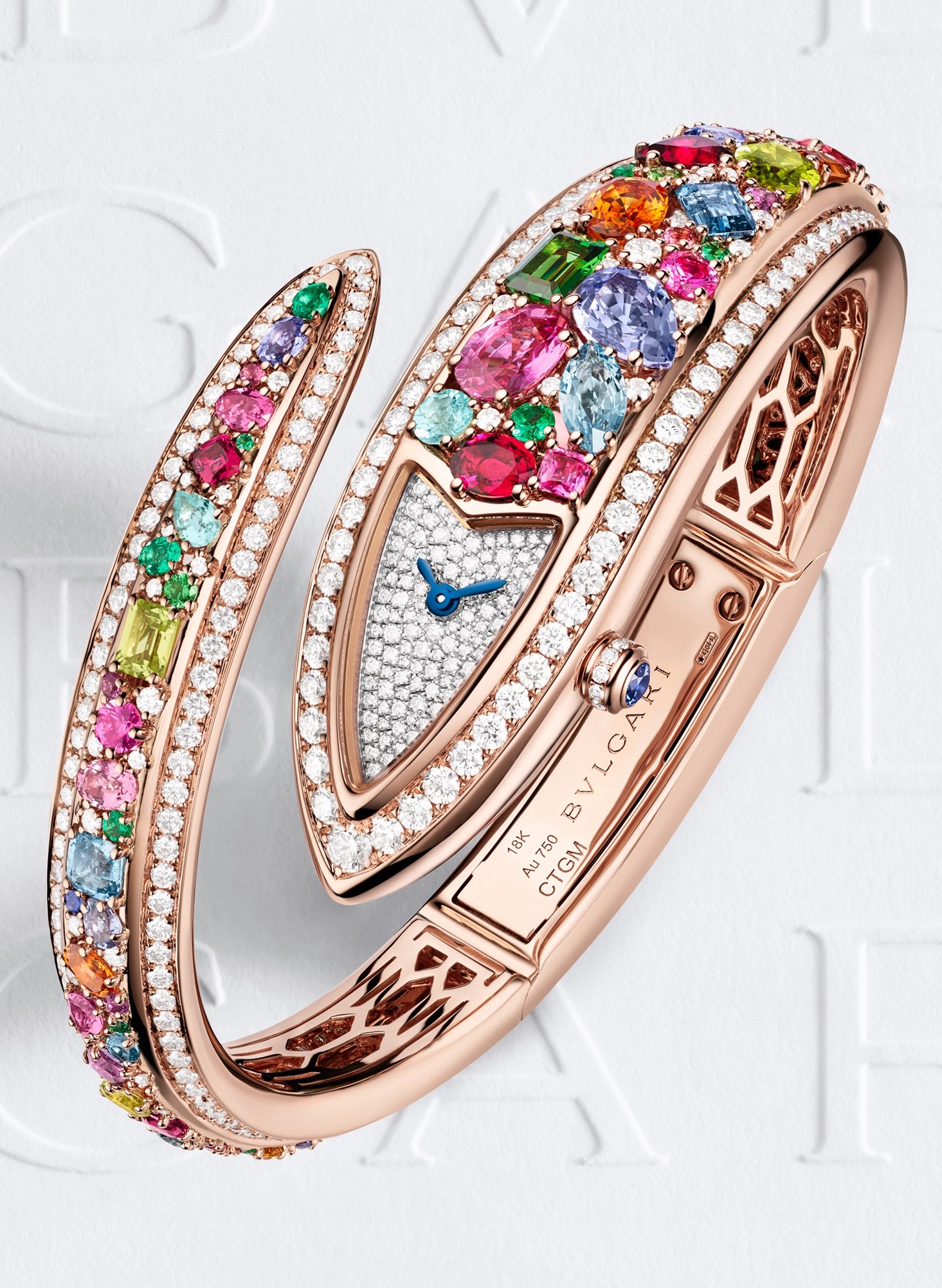
Bvlgari Serpenti Aeterna
The boundary between adornment and instrument continues to dissolve.
- Piaget’s Swinging Pebbles reintroduced sautoir-style pendant watches in ornamental stones. Arguably among the most visually compelling showcases, Piaget fused its watchmaking expertise with jewellery savoir-faire—reviving the maison’s 1960s spirit.
- Bulgari expanded its Serpenti universe, blurring the line between watch and high jewellery.
- Vacheron Constantin explored métiers d’art with culturally inspired artistic dials.
- Van Cleef & Arpels presents poetic complications with enamel and celestial motifs.
- Cartier revisits sculptural forms with renewed artistic focus
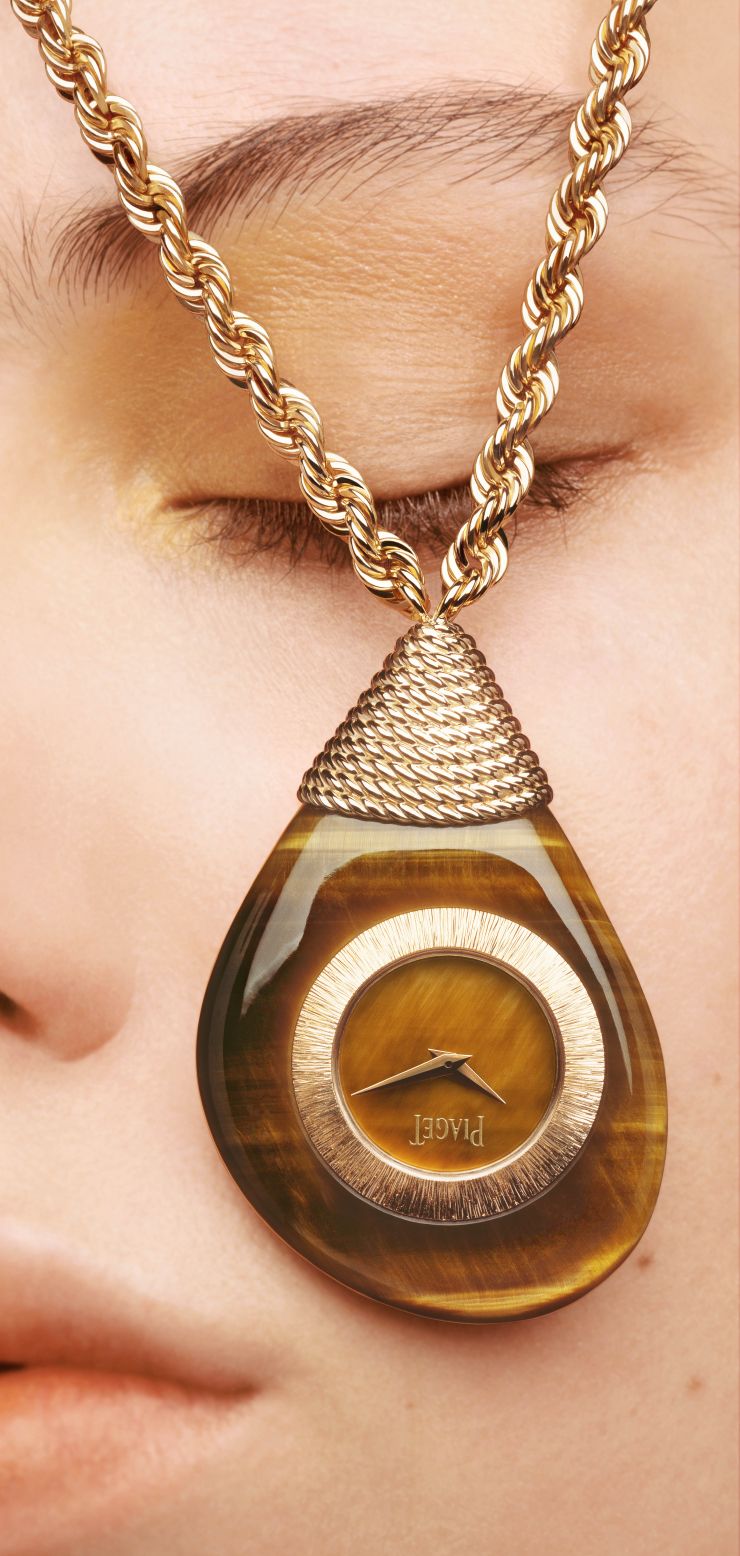
Piaget’s Swinging Pebbles
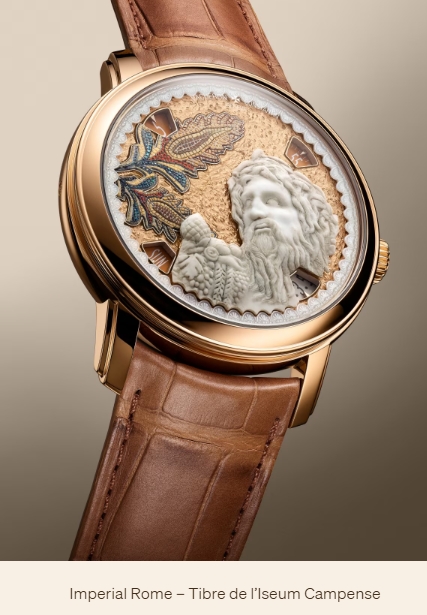
Vacheron Constantin meiters d’art
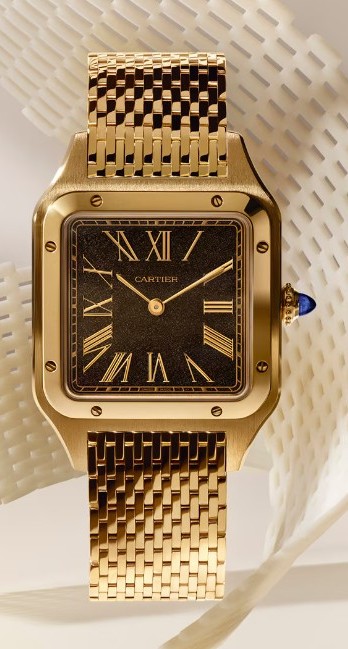
Cartier
Observation: The wristwatch is reclaiming its role as adornment as much as instrument.
3. Technical Innovation, Without Theatre
Mechanical ambition remains but is less performative.
- Panerai explores extended power reserves within a more restrained design language.
- Vacheron Constantin refines ultra-thin calibres and dual-time complications.
- Ulysse Nardin pushes boundaries with experimental tourbillon systems.
- Bulgari continues to dominate ultra-thin horology through the lineage.
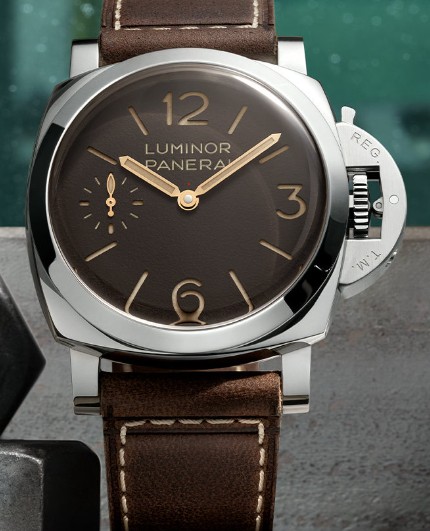
Panerai Luminor PAM01733
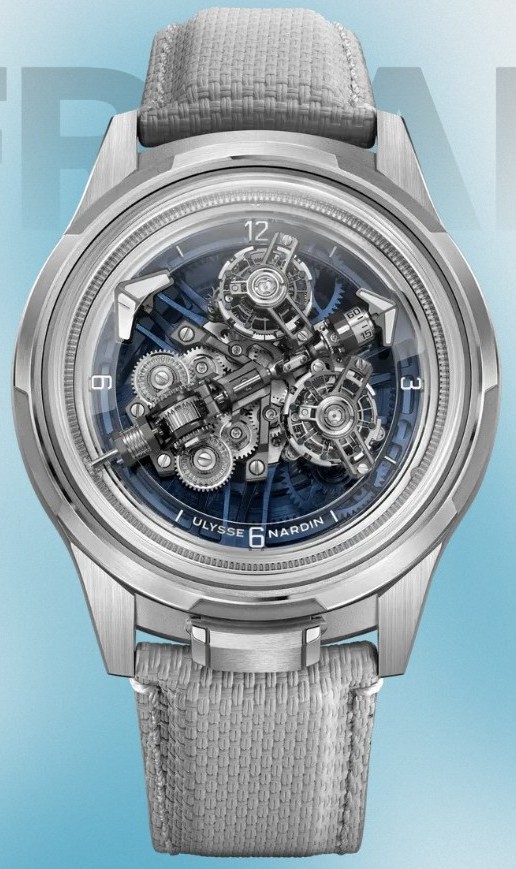
Ulysse Nardin Super Freak 2520-500LE-3A-BLUE
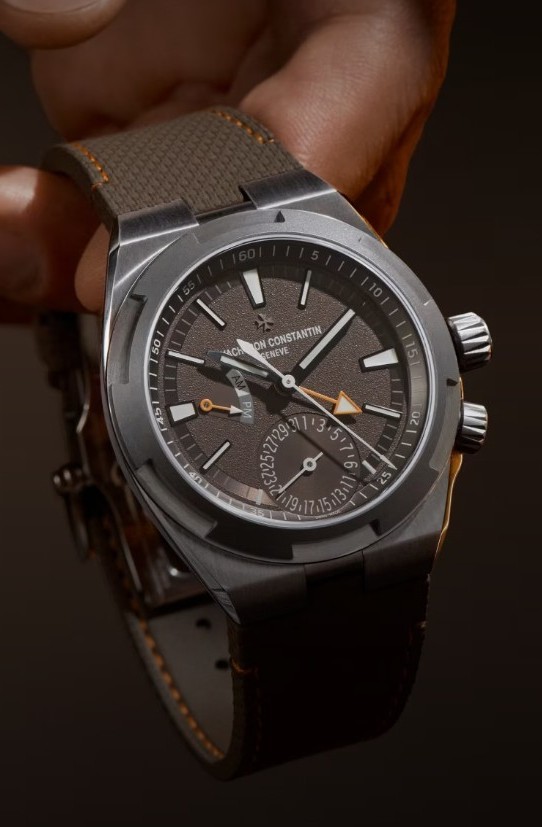
Vacheron Constantin dual time, ultra thin 2
Observation: Complexity is no longer showcased—it is integrated.
4. Heritage Revival, Reinterpreted
Archives remain central, but are handled with greater discipline.
- Vacheron Constantin expanded the Historiques collection, reinforcing its archival depth.
- Tudor revisits historical lines without heavy-handed nostalgia.
- Rolex marks the Oyster’s centenary through continuity rather than reinvention.
- Patek Philippe extends anniversary narratives within familiar frameworks.
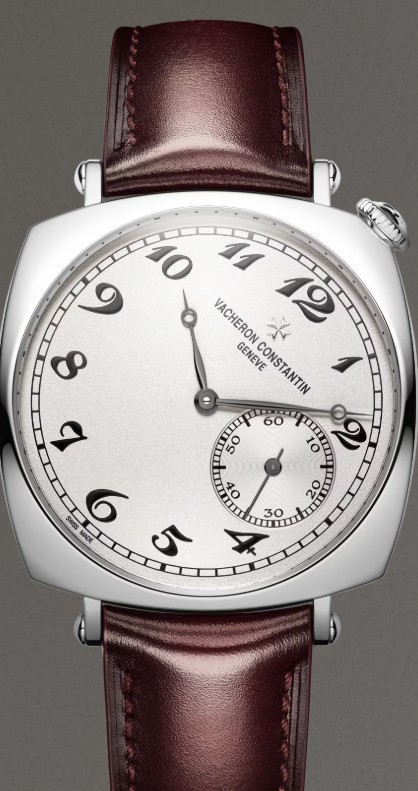
Vacheron Constantin Historiques American 1921
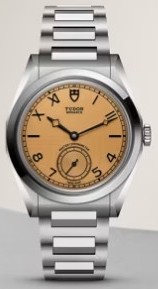
Tudor MONARCH
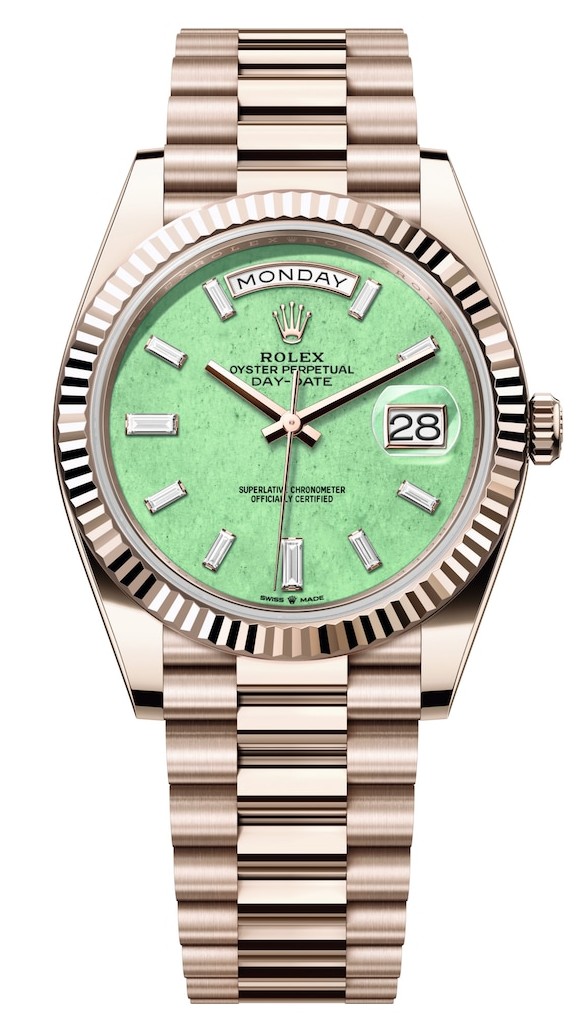
Rolex Oyster Perpetual Day-Date 40
Observation: Heritage is being refined, not revived wholesale.
5. The Dial as Narrative Surface
With case design stabilising, experimentation has shifted to the dial.
- Piaget’s ornamental stone dials create one-of-a-kind visual identities.
- Rolex introduces rare playfulness through colour-driven executions.
- Hermès explores skeletonisation with graphic clarity.
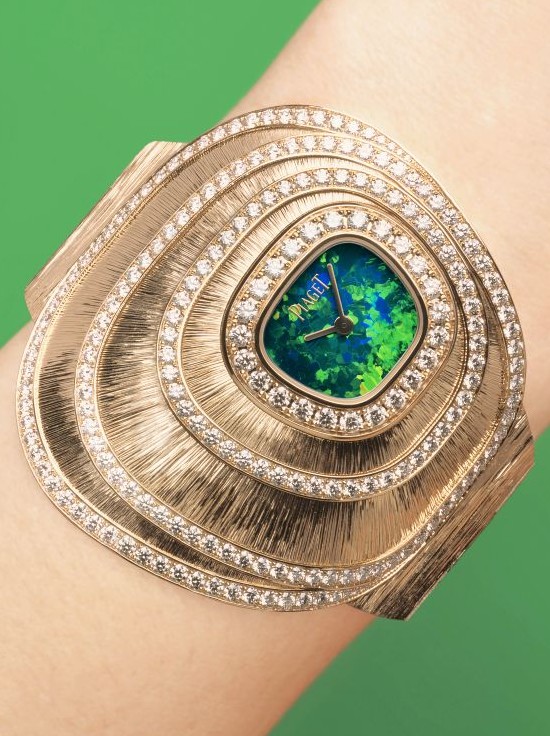
Piaget Brigitte Niedermair_WWG_G0A51350
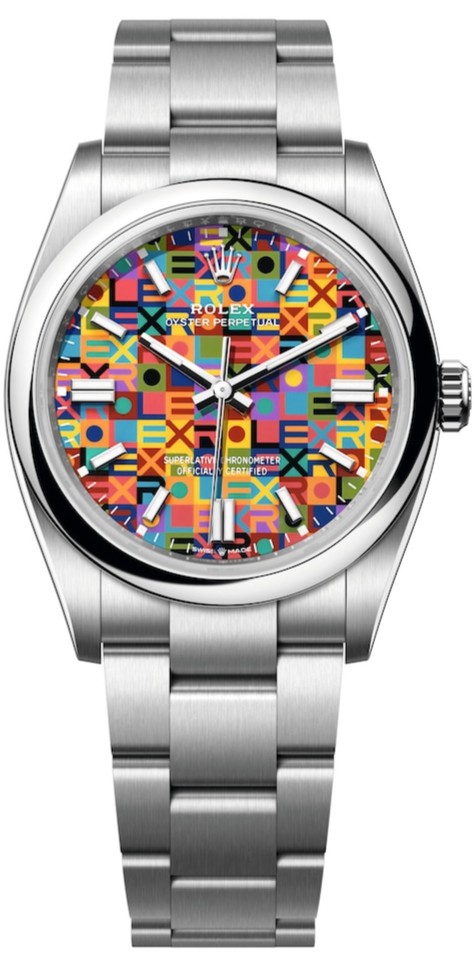
Rolex Oyster Perpetual 36
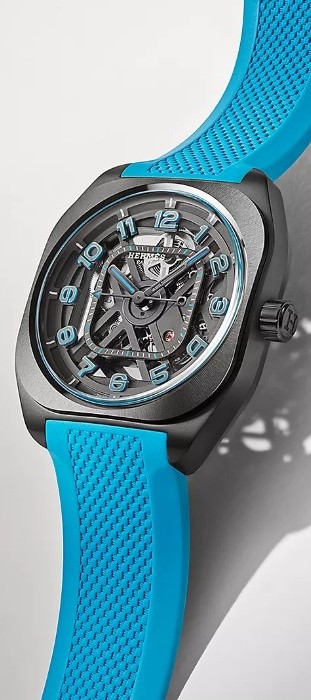
Hermès H08
Observation: Innovation is increasingly aesthetic rather than structural.
READING THE FIELD — Beyond the Expected Names
While established maisons held their ground, much of the fair’s energy came from diversity of expression across the spectrum:
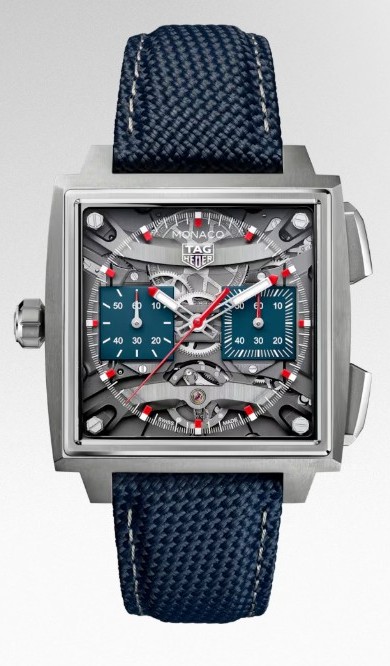
TAG Heuer Monaco Evergraph
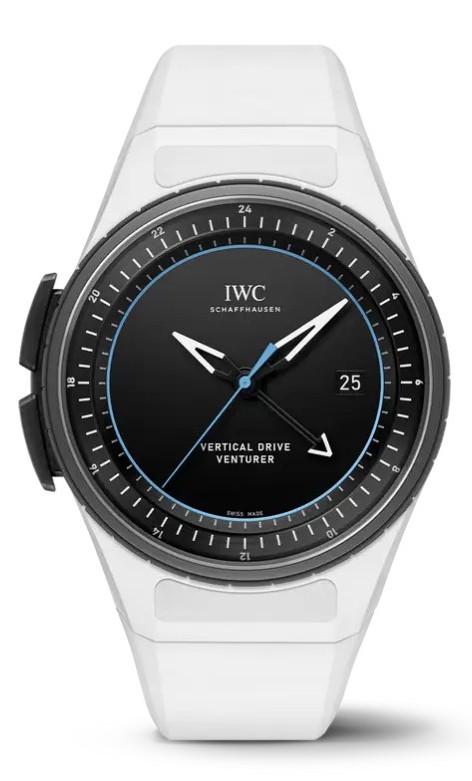
Pilot’s Venturer Vertical Drive, IWC Schaffhausen
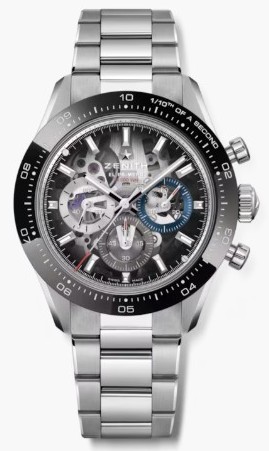
Zenith – CHRONOMASTER Sport Skeleton
- TAG Heuer pushed chronograph mechanics forward with the Monaco Evergraph.
- IWC Schaffhausen explored experimental engineering, including space-oriented designs.
- Zenith leaned into skeletonisation and material innovation.
- Parmigiani Fleurier presented discreet but technically nuanced chronographs.
- Chanel and Chopard continued to bridge fashion and horology with confidence.
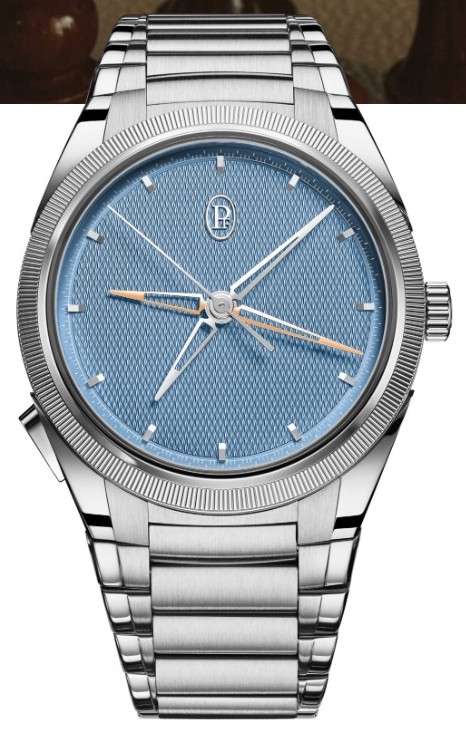
Parmigiani Fleurier – TONDA PF Chronograp Mysterieux
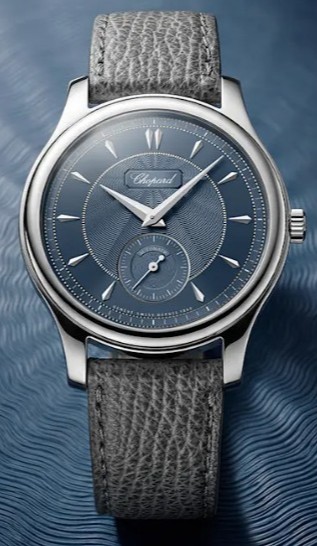
Chopard L.U.C. 1860
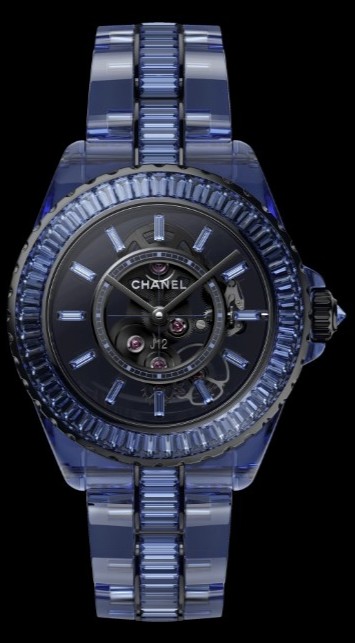
Chanel J12 BLEU X-RAY
Meanwhile, the arrival of 11 new brands, including independents and returning heavyweights, underscored the fair’s expanding ecosystem and its role as a global convergence point for watchmaking.

Bvlgari Serpenti Tubogas Studs
THE UNDERLYING SHIFT
The most telling aspect of Watches & Wonders 2026 is not what changed dramatically, but what no longer needed to. In an industry historically driven by escalation—bigger cases, more complications, louder designs—this year felt like a correction. A move towards measured confidence, where refinement carries more authority than excess.
If previous editions were about proving capability, 2026 suggests the industry is now more interested in demonstrating control.
And in watchmaking, that may be the more enduring luxury.